The Benefits of Placenta Encapsulation Explained
- Edrina Gilbert
- Feb 4
- 3 min read

Placenta encapsulation is a practice that has gained popularity in recent years among new mothers seeking natural ways to support postpartum recovery. This process involves preparing the placenta after birth and turning it into capsules that can be ingested. Advocates claim it offers various health benefits, but what exactly are these benefits, and how does the process work? This article explores the science, potential advantages, and practical considerations of placenta encapsulation.
What Is Placenta Encapsulation?
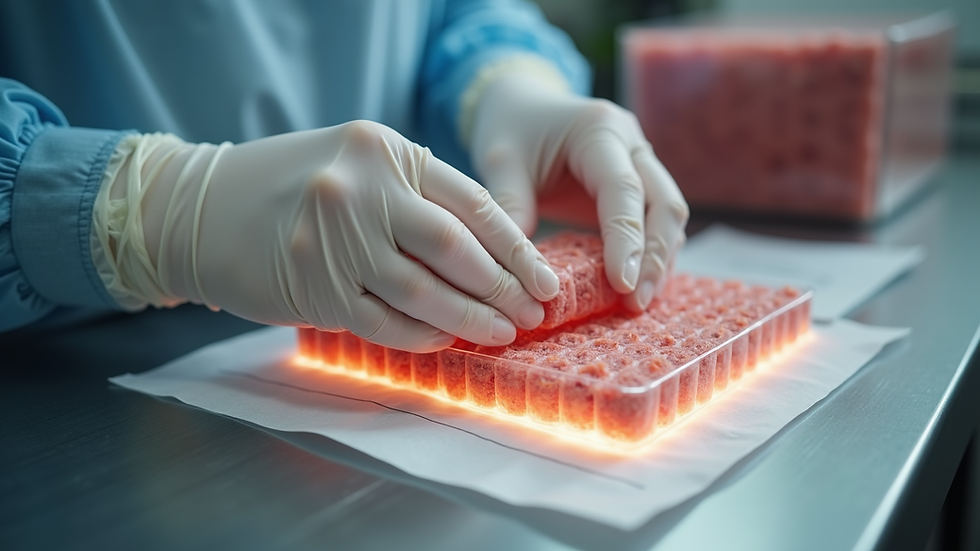
Placenta encapsulation is the process of steaming, dehydrating, grinding, and placing the placenta into pill form. The placenta, an organ that nourishes the baby during pregnancy, is rich in nutrients and hormones. After birth, some mothers choose to preserve it by encapsulating it for consumption.
The process typically involves:
Steaming the placenta with herbs to reduce bacteria and improve taste.
Dehydrating the placenta to remove moisture.
Grinding the dried placenta into a fine powder.
Encapsulating the powder into capsules for easy ingestion.
This method is believed to retain many of the placenta's nutrients and hormones, which may support postpartum health.

Key Health Benefits of Placenta Encapsulation
Many mothers report positive effects after taking placenta capsules. While scientific research is still limited, some potential benefits include:
1. Hormonal Balance and Mood Support
After childbirth, hormone levels drop sharply, which can contribute to mood swings and postpartum depression. The placenta contains hormones like estrogen and progesterone, which may help balance hormone levels when consumed.
Example: Some women notice improved mood stability and reduced feelings of anxiety or depression.
Recommendation: Consult a healthcare provider before starting capsules, especially if you have a history of mood disorders.
2. Increased Energy and Reduced Fatigue
The postpartum period can be exhausting. Placenta capsules are thought to help boost energy levels by replenishing iron and other nutrients lost during childbirth.
Example: Women who experienced postpartum anemia reported feeling more energetic after taking capsules.
Recommendation: Pair placenta capsules with a balanced diet rich in iron for best results.
3. Enhanced Milk Production
Some mothers find that placenta encapsulation supports lactation by promoting hormone regulation related to milk supply.
Example: Mothers struggling with low milk supply have reported improvements after starting placenta capsules.
Recommendation: Use capsules as a complement to other lactation support methods, such as frequent nursing and hydration.
4. Faster Postpartum Recovery
The nutrients in the placenta, including iron, protein, and vitamins, may aid in tissue repair and overall recovery after birth.
Example: Women have shared experiences of feeling physically stronger and healing faster.
Recommendation: Maintain regular postpartum check-ups to monitor recovery progress.
How to Safely Use Placenta Capsules
Safety is a crucial consideration when deciding to use placenta encapsulation. Here are some practical tips:
Choose a Certified Specialist: Use a trained and certified placenta encapsulation specialist who follows strict hygiene protocols.
Avoid Contamination: The placenta must be handled carefully to prevent bacterial contamination.
Consult Your Doctor: Always discuss placenta encapsulation with your healthcare provider, especially if you had complications during birth.
Monitor for Side Effects: Watch for any adverse reactions such as allergic responses or digestive issues.
Addressing Common Concerns and Myths
There are several misconceptions about placenta encapsulation. Understanding the facts can help you make an informed decision.
Myth: Placenta capsules can prevent all postpartum depression.
Fact: While some women report mood improvements, placenta encapsulation is not a guaranteed treatment for postpartum depression and should not replace professional care.
Myth: The placenta is unsafe to consume.
Fact: When prepared properly by a professional, placenta capsules are generally safe. However, improper handling can pose risks.
Myth: Placenta encapsulation is a new trend.
Fact: The practice has roots in traditional medicine across various cultures for centuries.
Practical Tips for Mothers Considering Placenta Encapsulation
If you are thinking about placenta encapsulation, here are some actionable recommendations:
Plan Ahead: Arrange for a placenta encapsulation specialist before your due date.
Understand the Process: Ask questions about how the placenta will be handled and processed.
Store Properly: Capsules should be stored in a cool, dry place and consumed within the recommended timeframe.
Track Your Experience: Keep a journal of any changes in mood, energy, or recovery to discuss with your healthcare provider.
For more detailed information on the placenta encapsulation benefits, visit trusted resources and consult with professionals.
Embracing Natural Postpartum Support
Placenta encapsulation offers a natural option for mothers seeking to enhance their postpartum recovery. While more research is needed to fully understand its effects, many women find it a valuable addition to their postpartum care routine. By combining this practice with proper medical guidance, nutrition, and rest, new mothers can support their health and well-being during this important time.
Whether you choose placenta encapsulation or other postpartum methods, prioritizing your recovery is essential for a healthy transition into motherhood.

Comments